BPT Course – Bachelor of Physiotherapy
- Home
- Physiotherapy
- BPT
Course Overview
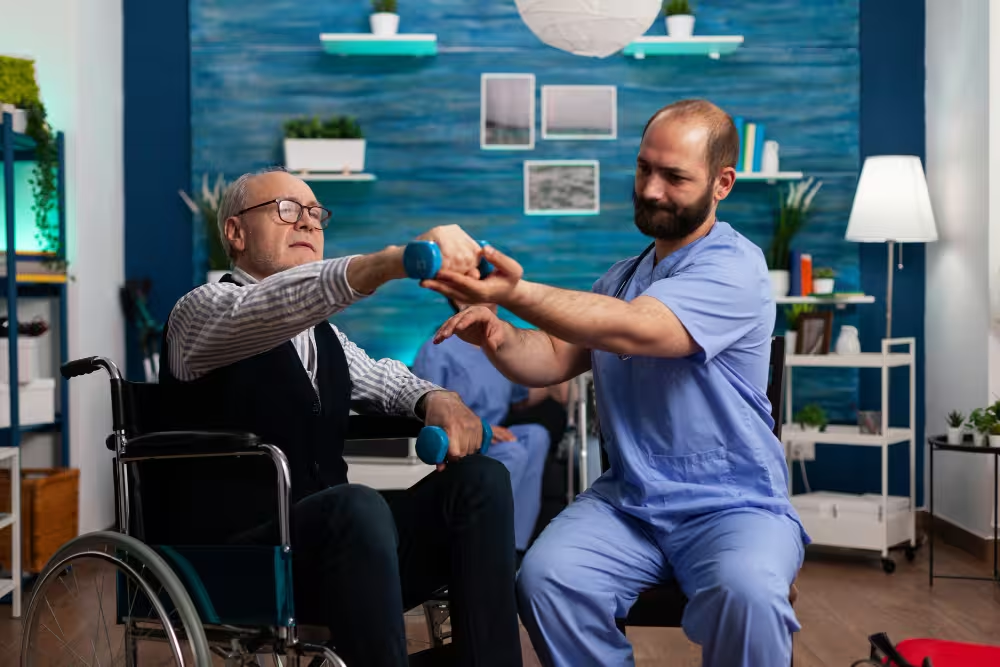
The BPT course (Bachelor of Physiotherapy) is an undergraduate healthcare programme focused on physical rehabilitation, movement therapy, and recovery from injury, illness, or disability. The course prepares students to assess physical conditions, design treatment plans, and help patients restore mobility using non-invasive techniques such as exercise therapy and manual therapy.
This role supports rehabilitation and recovery in clinical and therapeutic settings. Through structured clinical exposure, learners develop the ability to assess physical conditions, assist in treatment planning, and apply therapeutic techniques to improve mobility, reduce pain, and enhance overall physical function.
Course Overview
The BPT course (Bachelor of Physiotherapy) is an undergraduate healthcare programme focused on physical rehabilitation, movement therapy, and recovery from injury, illness, or disability. The course prepares students to assess physical conditions, design treatment plans, and help patients restore mobility using non-invasive techniques such as exercise therapy and manual therapy.
This role supports rehabilitation and recovery in clinical and therapeutic settings. Through structured clinical exposure, learners develop the ability to assess physical conditions, assist in treatment planning, and apply therapeutic techniques to improve mobility, reduce pain, and enhance overall physical function.
Who Should Consider This Course
This course may suit students who:
- Are interested in healthcare and rehabilitation
- Prefer hands-on, practical work
- Are comfortable working closely with patients
- Have patience and strong communication skills
- Are interested in fitness, movement, and recovery
It may not be suitable for students looking for non-clinical or desk-based roles.
Course Highlights
- Duration: 4 years + 6 months to 1 year internship
(as per institutional and regulatory norms) - Degree Awarded: Bachelor of Physiotherapy (BPT)
- Study Mode: Full-time
- Clinical Exposure: Hospitals, rehabilitation centres, physiotherapy clinics
Eligibility Criteria
Academic Requirements:
- 10+2 / PUC with Physics, Chemistry, Biology and English
- Minimum aggregate marks typically 50–60% in PCB
(relaxations of 5–10% may apply for reserved categories as per regulations)
Age Requirement:
- Minimum age: 17 years as on 31st December of the year of admission
Entrance Exams & Admission Process
Admission to BPT courses varies depending on the institution:
- Some colleges offer merit-based admission based on 12th marks
- Many institutions consider entrance exams such as:
- NEET-UG (accepted by some universities, not mandatory everywhere)
- CUET-UG
- State-level exams (e.g., KCET, AP EAMCET)
- University-specific entrance tests
Important Note:
- NEET is NOT mandatory for all BPT admissions
- Admission criteria may vary by college and university
Skills & Competencies Developed
- Patient assessment and physical evaluation
- Exercise therapy and rehabilitation techniques
- Manual therapy and mobility training
- Understanding musculoskeletal and neurological conditions
- Communication and patient-care skills
Career Opportunities & Work Settings
Graduates of the BPT course commonly work in:
- Hospitals
- Physiotherapy clinics
- Rehabilitation centres
- Sports and fitness centres
- Wellness centres
Typical Job Roles
- Physiotherapist
- Rehabilitation Specialist
- Sports Physiotherapist
- Clinical Physiotherapy Assistant
Career progression depends on clinical exposure, experience, and specialisation.
Salary & Growth Outlook
Compensation in physiotherapy depends on:
- Workplace (hospital, clinic, sports centre)
- Location
- Experience level
- Specialisation
Initial earnings may be moderate, with growth improving through experience, advanced training, and private practice.
Salary figures are indicative and may vary. No guaranteed outcomes.
Higher Studies & Progression
After completing the BPT course, students may consider:
- MPT (Master of Physiotherapy)
- Specialisations such as orthopaedics, neurology, sports physiotherapy
- Advanced certifications in rehabilitation and therapy
FAQs (Frequently Asked Questions)
Is BPT the same as MBBS?
No. BPT is focused on rehabilitation and physiotherapy, while MBBS is a medical doctor degree.
Does BPT require NEET?
NEET is not mandatory for all colleges. Some institutions may accept NEET scores, while others offer merit-based admission.
Is internship mandatory?
Yes. Most institutions include a compulsory internship for hands-on clinical training.
Why Career Build Consultancy (CBC) for BPT guidance
- Guidance on BPT course selection and career pathways
- Help in choosing the right college
- Clarity on eligibility and admission process
- Support with documentation and applications
- Student-first and transparent counselling
Take the Next Step
If you are considering a career in operation theatre and surgical support services, speak with a CBC career expert to understand whether BPT – Bachelor of Physiotherapy aligns with your goals and circumstances.