

B.Sc in Operation Theatre and Anaesthesia Technology (OTAT)
- Home
- Allied Health
- BSc in OTAT
Course Overview
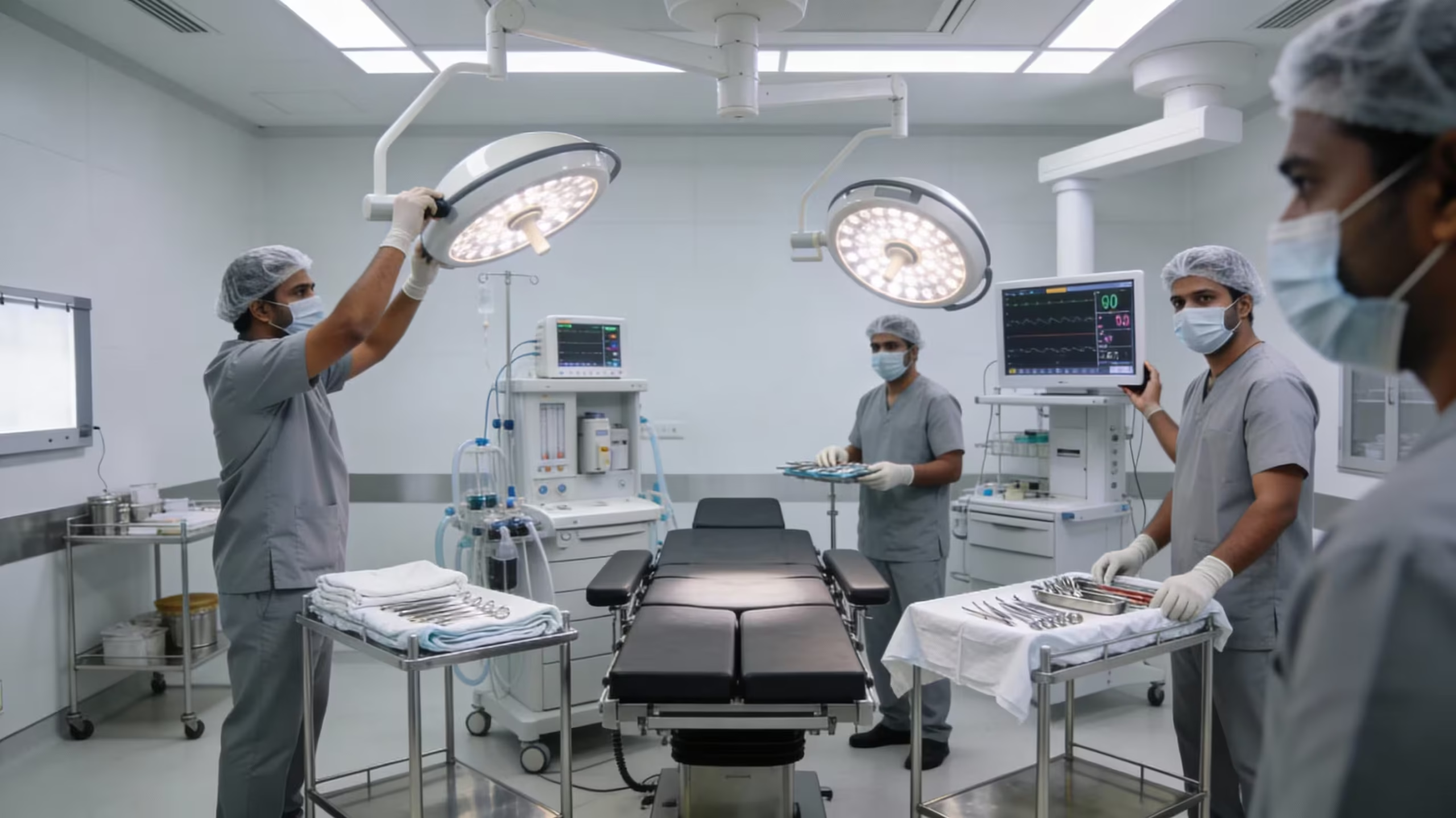
B.Sc in Operation Theatre and Anaesthesia Technology (OTAT) is an undergraduate allied health programme designed to train students for technical and clinical roles within hospital operation theatres. The course focuses on operation theatre protocols, sterilisation techniques, surgical assistance, and anaesthesia support during pre-operative, intra-operative, and post-operative phases.
Students are trained to work as part of a multidisciplinary surgical team, supporting surgeons, anaesthesiologists, and nursing staff to ensure safe and efficient surgical procedures. The role is highly structured, protocol-driven, and critical to patient safety.
Course Overview
B.Sc in Operation Theatre and Anaesthesia Technology (OTAT) is an undergraduate allied health programme designed to train students for technical and clinical roles within hospital operation theatres. The course focuses on operation theatre protocols, sterilisation techniques, surgical assistance, and anaesthesia support during pre-operative, intra-operative, and post-operative phases.
Students are trained to work as part of a multidisciplinary surgical team, supporting surgeons, anaesthesiologists, and nursing staff to ensure safe and efficient surgical procedures. The role is highly structured, protocol-driven, and critical to patient safety.
Course Highlights
- Duration: 3 years + 1 year compulsory internship
(as per institutional and regulatory norms) - Degree: Bachelor of Science (B.Sc)
- Study Mode: Full-time, on-campus
- Clinical Exposure: Operation theatres, surgical units, critical care settings
Eligibility Criteria
- 10+2 / PUC with Physics, Chemistry, Biology and English (as per institutional norms)
- Minimum aggregate marks: Usually 45%–60% in PCB subjects
(relaxations may apply for reserved categories as per regulations) - Minimum age: 17 years as on 31st December of the year of admission
- Lateral entry: Some universities may offer lateral entry for candidates with a relevant two-year diploma in Operation Theatre or Anaesthesia Technology
Eligibility criteria may vary slightly depending on the university or regulatory guidelines.
Skills & Competencies You Will Gain
- Operation theatre preparation and sterile techniques
- Handling and management of surgical instruments
- Anaesthesia equipment support and basic patient monitoring
- Infection control and patient safety protocols
- Team coordination within surgical and perioperative settings
Career Opportunities & Work Settings
Graduates of OTAT programmes commonly work in:
- Multi-speciality and superspeciality hospitals
- Government and private hospitals
- Day-care surgical centres
- Trauma and emergency units
Common job roles include:
- Operation Theatre Technologist
- Anaesthesia Technician
- Surgical Assistant / Perioperative Technologist
Please note: Career outcomes depend on the quality of clinical exposure, institutional training, and individual competence.
Salary & Growth Outlook
Compensation in operation theatre and anaesthesia roles varies based on hospital type, city, experience, and skill level. Entry-level pay in India is generally modest, with gradual growth as clinical experience increases and specialised skills are developed.
Salary figures are indicative and may vary. No specific outcomes are guaranteed.
Career Progression & Higher Studies
After completing B.Sc in Operation Theatre and Anaesthesia Technology, students may consider:
- M.Sc Operation Theatre Technology
- M.Sc Anaesthesia Technology
- Specialised certifications in critical care or surgical assistance
Please Note: Advanced qualifications and experience may lead to senior technical roles, supervisory responsibilities, or academic positions.
FAQs (Frequently Asked Questions)
Is BSc in OTAT the same as nursing?
No. OTAT focuses specifically on operation theatre and anaesthesia support, whereas nursing covers broader patient care responsibilities.
Is the internship compulsory?
Yes. Most institutions include a mandatory internship as part of the programme to ensure clinical exposure.
Are night shifts required in this profession?
Yes. Operation theatres often function round the clock, and shift duties depend on hospital policies.
Why Career Build Consultancy (CBC)
Career Build Consultancy provides student-first guidance by:
- Helping students understand whether a course aligns with their aptitude and interests
- Shortlisting colleges based on location, exposure, infrastructure, and overall cost
- Guiding students through eligibility requirements and admission procedures
- Supporting informed decision-making rather than pushing placements
Take the Next Step
If you are considering a career in operation theatre and surgical support services, speak with a CBC career expert to understand whether B.Sc in Operation Theatre and Anaesthesia Technology (OTAT) aligns with your goals and circumstances.