

B.Sc Respiratory Care Technology
- Home
- Allied Health
- BSc in RT
Course Overview
B.Sc Respiratory Care Technology is an undergraduate Allied Health programme focused on the assessment and management of patients with breathing and lung-related disorders. The course prepares students to support pulmonologists and critical care teams in monitoring respiratory function and managing ventilator-based treatments.
This role supports the diagnosis and management of respiratory conditions in hospital and critical care settings. Through structured clinical exposure, learners develop the ability to operate ventilators, assist in airway management procedures, and monitor patients requiring respiratory support.
Course Overview
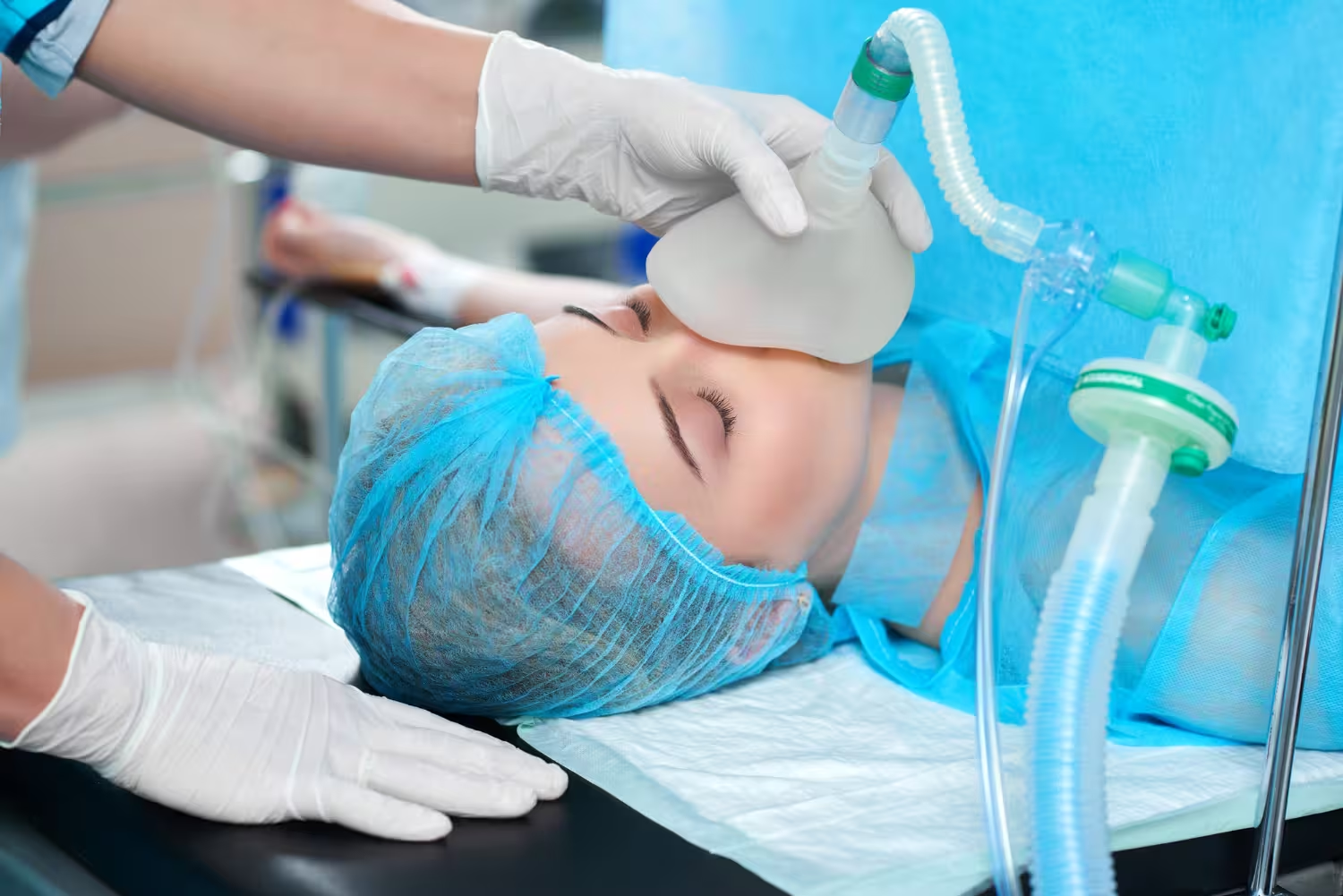
B.Sc Respiratory Care Technology is an undergraduate Allied Health programme focused on the assessment and management of patients with breathing and lung-related disorders. The course prepares students to support pulmonologists and critical care teams in monitoring respiratory function and managing ventilator-based treatments.
This role supports the diagnosis and management of respiratory conditions in hospital and critical care settings. Through structured clinical exposure, learners develop the ability to operate ventilators, assist in airway management procedures, and monitor patients requiring respiratory support.
Course Highlights
- Duration: 3 years + 1 year compulsory internship
(as per institutional and regulatory norms) - Degree Awarded: Bachelor of Science (B.Sc)
- Study Mode: Full-time
- Clinical Exposure: ICU units, pulmonology departments, emergency care settings
Eligibility Criteria
- 10+2 / PUC with Physics, Chemistry, Biology and English
- Minimum aggregate generally 45–60% in PCB
- Minimum age: 17 years as on 31st December of admission year
Eligibility criteria may vary slightly depending on the university or regulatory guidelines.
Skills & Competencies You Will Gain
- Operation of ventilators and respiratory support systems
- Patient monitoring in critical care units
- Airway management basics
- Understanding respiratory physiology
- Infection control and emergency response protocols
Who Should Consider This Course
This course may suit students who:
- Are interested in lung health and critical care medicine
- Are comfortable working in ICUs and emergency settings
- Can handle responsibility in patient-monitoring roles
- Prefer hands-on clinical work
It may not be suitable for students uncomfortable with intensive care environments.
Career Opportunities & Work Settings
Graduates of Respiratory Care Technology programmes commonly work in:
- Intensive Care Units (ICUs)
- Pulmonology departments
- Emergency care units
- Multi-speciality hospitals
Typical job roles include:
- Respiratory Care Technologist
- Respiratory Therapist
- Critical Care Support Technologist
Please Note: Career progression depends on ICU exposure and advanced certifications.
Salary & Growth Outlook
Compensation varies depending on:
- Type of hospital
- City and healthcare demand
- Experience level
Growth potential improves with ICU experience and advanced respiratory care training.
Salary figures are indicative and may vary. No guaranteed outcomes.
Career Progression & Higher Studies
After completing B.Sc Respiratory Care Technology, students may consider:
- M.Sc Respiratory Care Technology
- Advanced critical care certifications
- Specialised training in pulmonary rehabilitation
FAQs (Frequently Asked Questions)
Is Respiratory Care Technology the same as becoming a pulmonologist?
No. Pulmonologists are medical doctors who specialise in lung diseases. Respiratory care technologists assist in monitoring and managing patients requiring respiratory support.
Does this course involve working in ICUs?
Yes. Many graduates work in Intensive Care Units, where they assist in ventilator management and patient monitoring under medical supervision.
Is the work environment high-pressure?
It can be, especially in critical care and emergency settings. Students are trained to work in structured, protocol-based clinical environments.
Is internship mandatory?
Most institutions include a compulsory clinical internship to provide hands-on ICU and hospital exposure.
Is BSc in Respiratory Care Technology suitable for students who prefer minimal patient interaction?
Not entirely. While it is equipment-focused, the role involves direct patient monitoring, especially in critical care settings.
Why Career Build Consultancy (CBC)
Career Build Consultancy provides student-first guidance by:
- Helping students understand whether a course aligns with their aptitude and interests
- Shortlisting colleges based on location, exposure, infrastructure, and overall cost
- Guiding students through eligibility requirements and admission procedures
- Supporting informed decision-making rather than pushing placements
Take the Next Step
If you are considering a career in operation theatre and surgical support services, speak with a CBC career expert to understand whether B.Sc in Respiratory Care Technology aligns with your goals and circumstances.