

B.Sc Renal Dialysis Technology
- Home
- Allied Health
- BSc in RDT
Course Overview
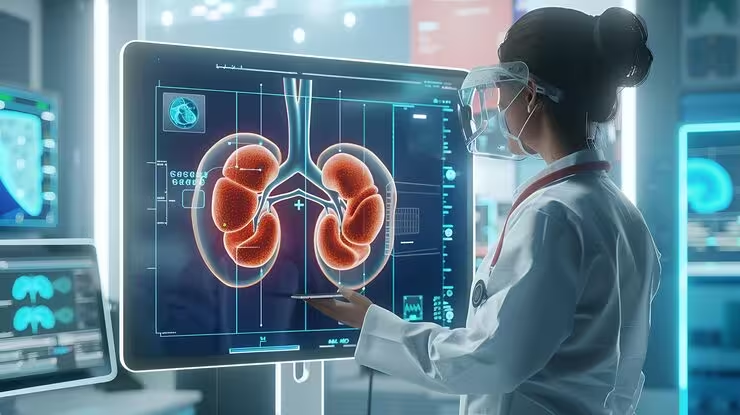
B.Sc Renal Dialysis Technology is an undergraduate Allied Health programme focused on dialysis procedures used in the management of kidney-related disorders. The course trains students to operate dialysis machines, monitor patients during treatment, and assist nephrologists in providing renal care.
Dialysis technologists play an essential role in hospitals and dialysis centres by ensuring safe and effective treatment for patients with kidney failure or chronic kidney disease.
Course Overview
B.Sc Renal Dialysis Technology is an undergraduate Allied Health programme focused on dialysis procedures used in the management of kidney-related disorders. The course trains students to operate dialysis machines, monitor patients during treatment, and assist nephrologists in providing renal care.
Dialysis technologists play an essential role in hospitals and dialysis centres by ensuring safe and effective treatment for patients with kidney failure or chronic kidney disease.
Course Highlights
- Duration: 3 years + 1 year compulsory internship
(as per institutional and regulatory norms) - Degree Awarded: Bachelor of Science (B.Sc)
- Study Mode: Full-time
- Clinical Exposure: Dialysis units and nephrology departments
Eligibility Criteria
- 10+2 / PUC with Physics, Chemistry, Biology and English
- Minimum aggregate marks generally 45–60% in PCB
(relaxations may apply as per regulations) - Minimum age: 17 years as on 31st December of admission year
Eligibility requirements may vary by institution.
Skills & Competencies You Will Gain
- Operation of dialysis machines
- Patient monitoring during dialysis sessions
- Understanding renal physiology and kidney disorders
- Infection control and safety procedures
- Coordination with nephrologists and nursing teams
Career Opportunities & Work Settings
Graduates of RDT programmes commonly work in:
- Dialysis centres
- Nephrology departments in hospitals
- Multi-speciality hospitals
- Specialised kidney care units
Common job roles include:
- Dialysis Technologist
- Renal Dialysis Technician
- Nephrology Support Technologist
Please note: Career outcomes depend on the quality of clinical exposure, institutional training, and individual competence.
Who Should Consider This Course
This course may suit students who:
- Are interested in clinical healthcare roles
- Are comfortable working closely with patients
- Can follow medical protocols carefully
- Prefer structured hospital-based environments
It may not be suitable for students uncomfortable with long patient-care sessions or medical monitoring responsibilities.
Salary & Growth Outlook
Compensation varies depending on:
- Type of healthcare institution
- Location
- Experience level
- Skill proficiency
Entry-level compensation is generally moderate, with potential growth through experience and advanced training.
Salary figures are indicative and may vary. No guaranteed outcomes.
Career Progression & Higher Studies
After completing B.Sc Renal Dialysis Technology, students may consider:
- M.Sc Renal Dialysis Technology
- Advanced nephrology-related certifications
- Specialised training in critical care dialysis
Please Note: Advanced qualifications and experience may lead to senior technical roles, supervisory responsibilities, or academic positions.
FAQs (Frequently Asked Questions)
Is Dialysis Technology the same as Nephrology?
No. Nephrology is a medical speciality practiced by doctors, while dialysis technologists assist in treatment procedures.
Does the course involve direct patient interaction?
Yes. Dialysis technologists monitor patients during treatment sessions.
Is internship compulsory?
Most institutions include a mandatory clinical internship.
Why Career Build Consultancy (CBC)
Career Build Consultancy provides student-first guidance by:
- Helping students understand whether a course aligns with their aptitude and interests
- Shortlisting colleges based on location, exposure, infrastructure, and overall cost
- Guiding students through eligibility requirements and admission procedures
- Supporting informed decision-making rather than pushing placements
Take the Next Step
If you are considering a career in operation theatre and surgical support services, speak with a CBC career expert to understand whether B.Sc in Operation Theatre and Anaesthesia Technology (OTAT) aligns with your goals and circumstances.