


Allied Health Sciences/Paramedical

Allied Health Science Courses After 12th – Career Path, Scope & Admission Guidance

Allied Health – Career Path, Courses, Scope & Admission Guidance

Allied Health Sciences is a broad category of healthcare programmes that prepare students for diagnostic, technical, therapeutic, and support roles within hospitals and medical institutions. These professionals work alongside doctors and nurses and play a vital role in patient care, diagnosis, and treatment processes.

Allied Health courses are suitable for students who wish to work in healthcare settings without pursuing MBBS, and who are interested in hands-on, clinical, or technical roles within the medical system.

At Career Build Consultancy (CBC), we help students and parents understand Allied Health career options, eligibility requirements, course pathways, and admission processes in a clear and responsible manner.

Why Choose a Career in Allied Health Sciences?

A career in Allied Health typically includes:

  • Working in hospital or clinical environments

  • Supporting diagnosis, treatment, and patient care

  • Operating medical equipment or assisting in procedures

  • Following strict safety and professional protocols

Career outcomes depend on the chosen specialisation, quality of training, clinical exposure, and individual competence.

Undergraduate Allied Health Courses (UG)

Most undergraduate Allied Health programmes are full-time and include clinical training and internship components, as prescribed by the respective institutions and regulatory norms.

Detailed course structure, eligibility, and career pathways are explained on individual course pages.

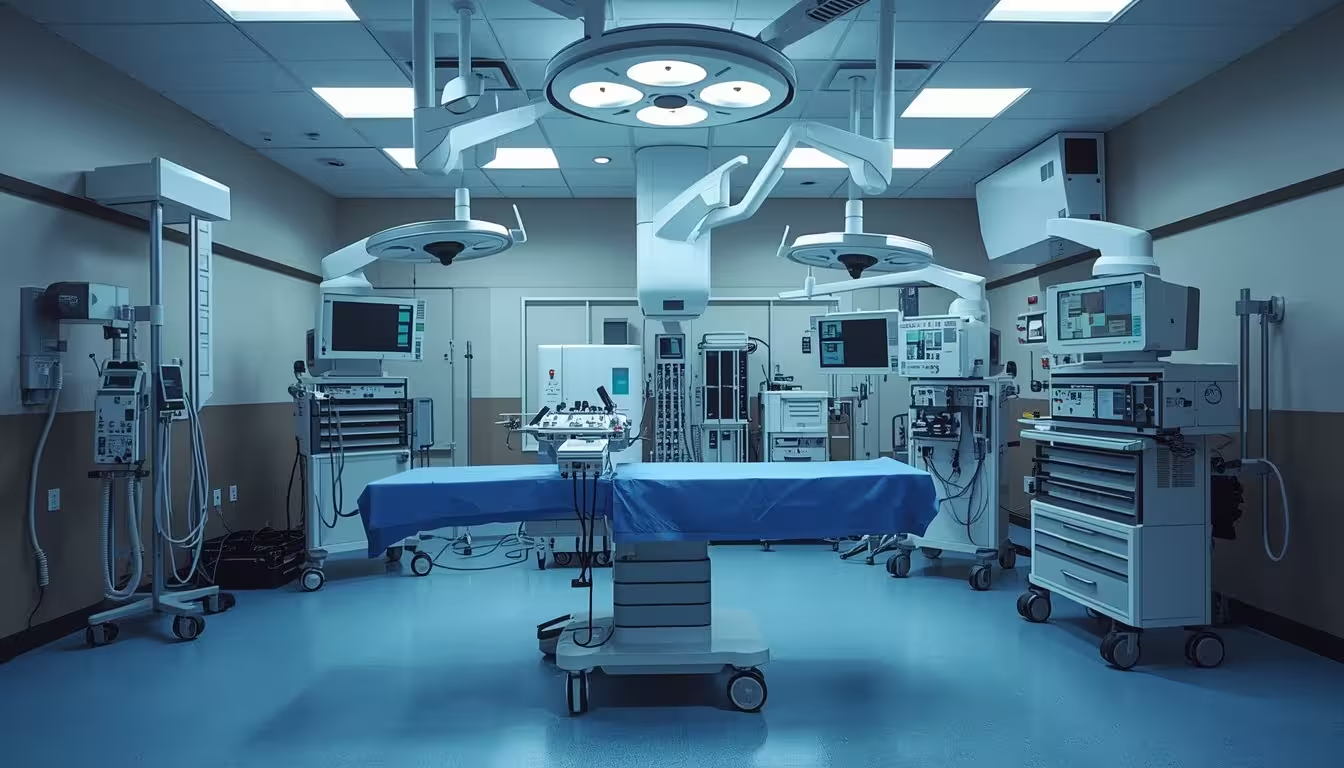
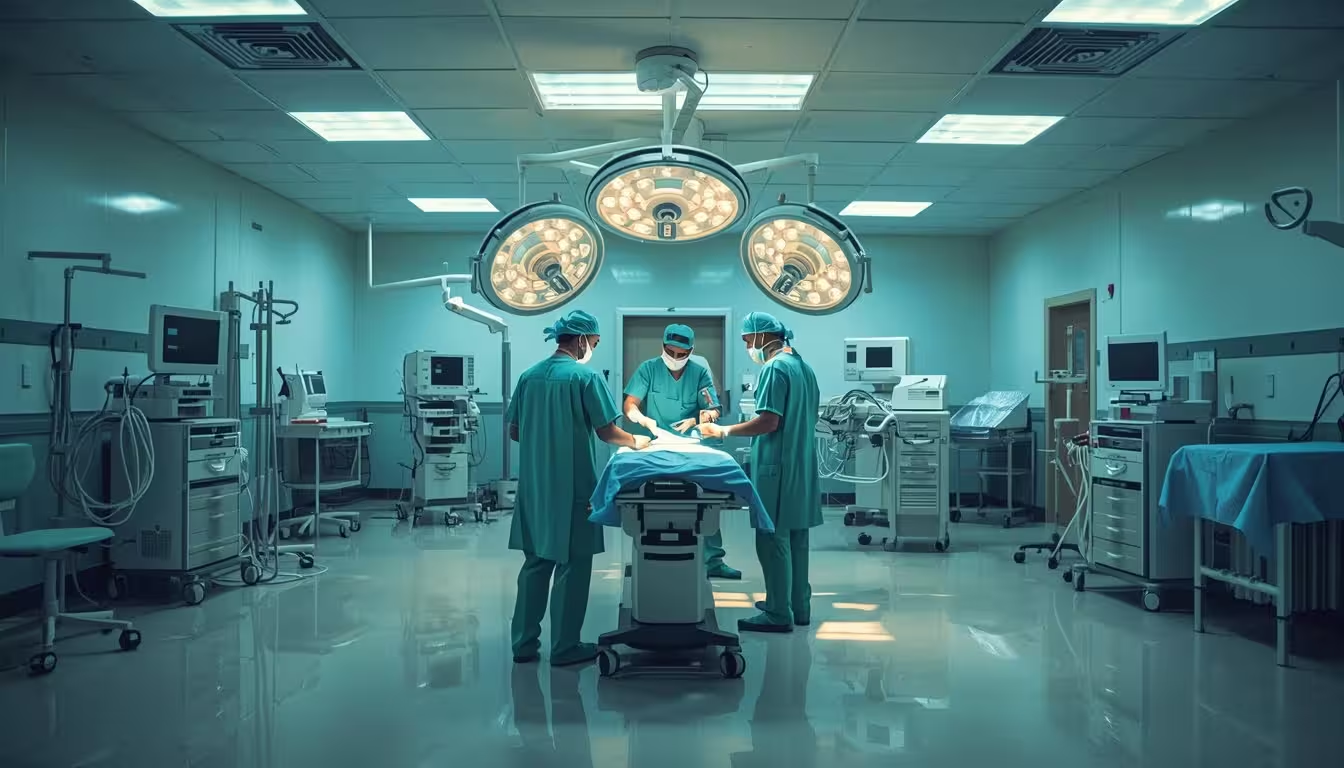
Operation theatre environment used for training in operation theatre and anaesthesia technology

B.Sc Operation Theatre & Anesthesia Technology

Trains students for technical roles in hospital operation theatres, supporting surgical procedures and anaesthesia services. Suitable for those comfortable with clinical environments and protocol-driven work.

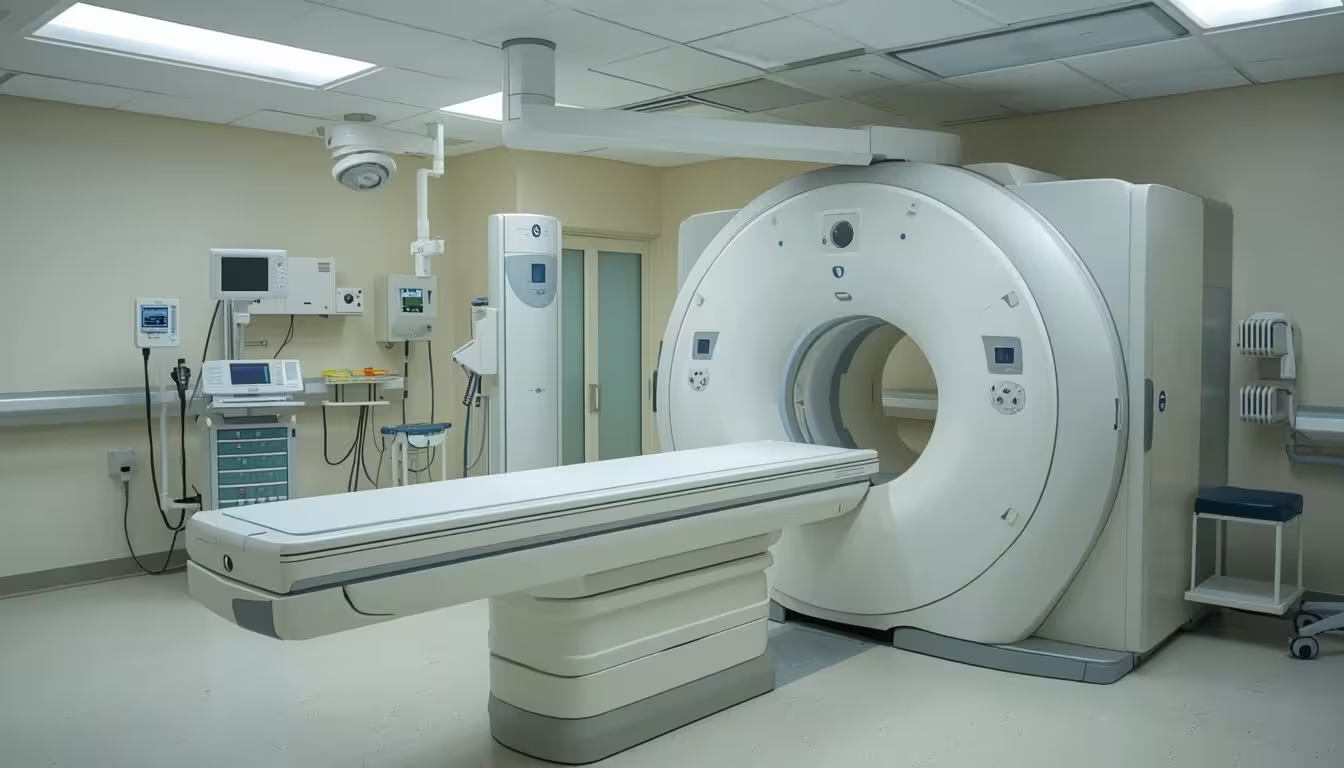
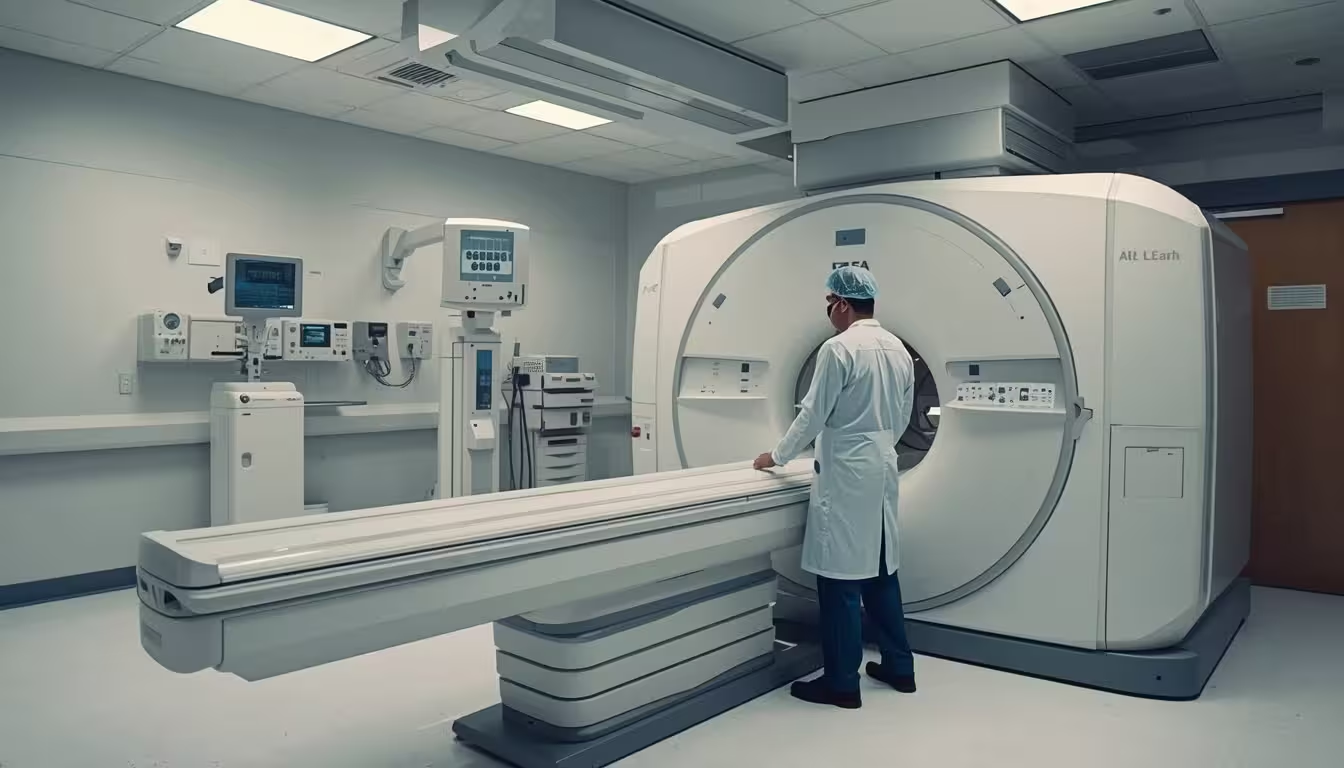
Medical imaging technology training setup in a hospital radiology department

B.Sc Medical Imaging Technology

Focuses on diagnostic imaging techniques such as X-ray, CT, MRI, and ultrasound. Prepares students for technical roles in radiology and imaging departments.

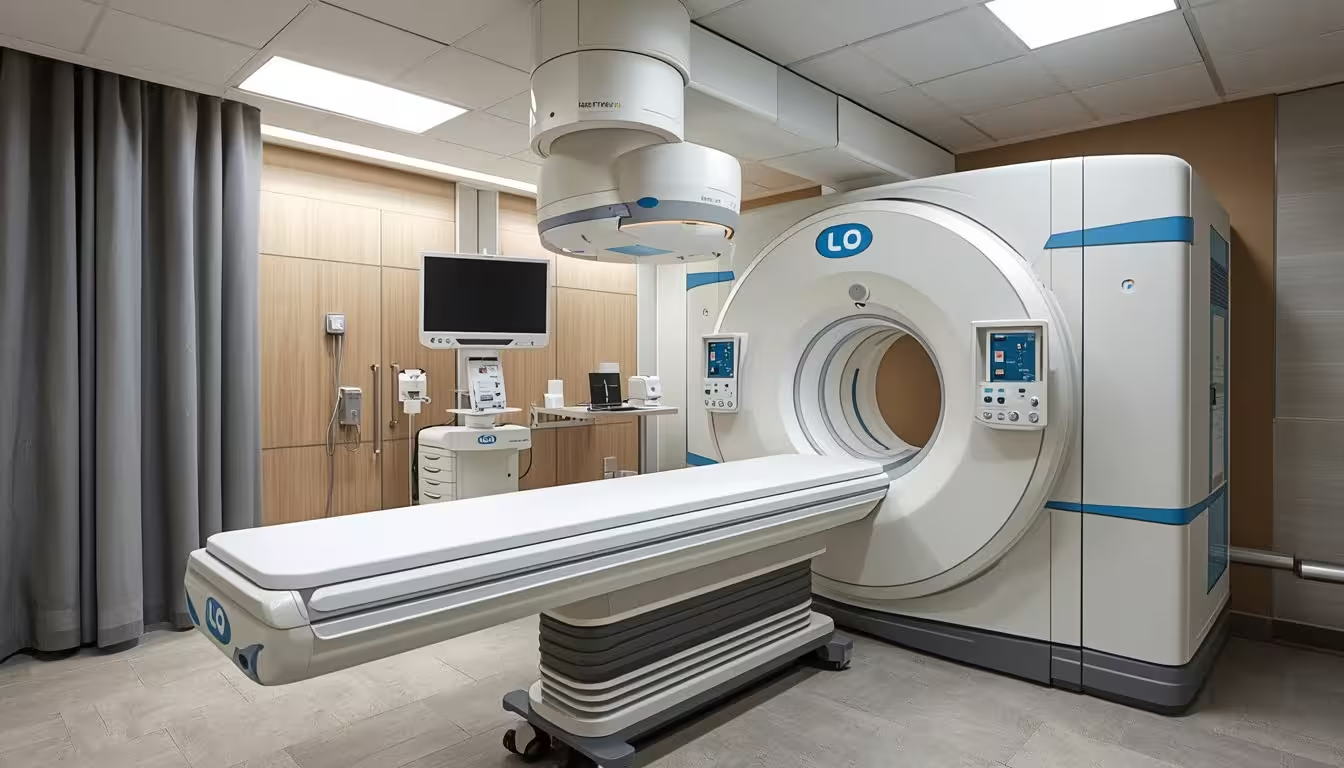
Radiotherapy technology training environment with cancer treatment equipment

B.Sc Radiotherapy Technology

Covers radiation treatment planning and equipment operation for cancer care. Designed for students interested in oncology-related clinical support roles.

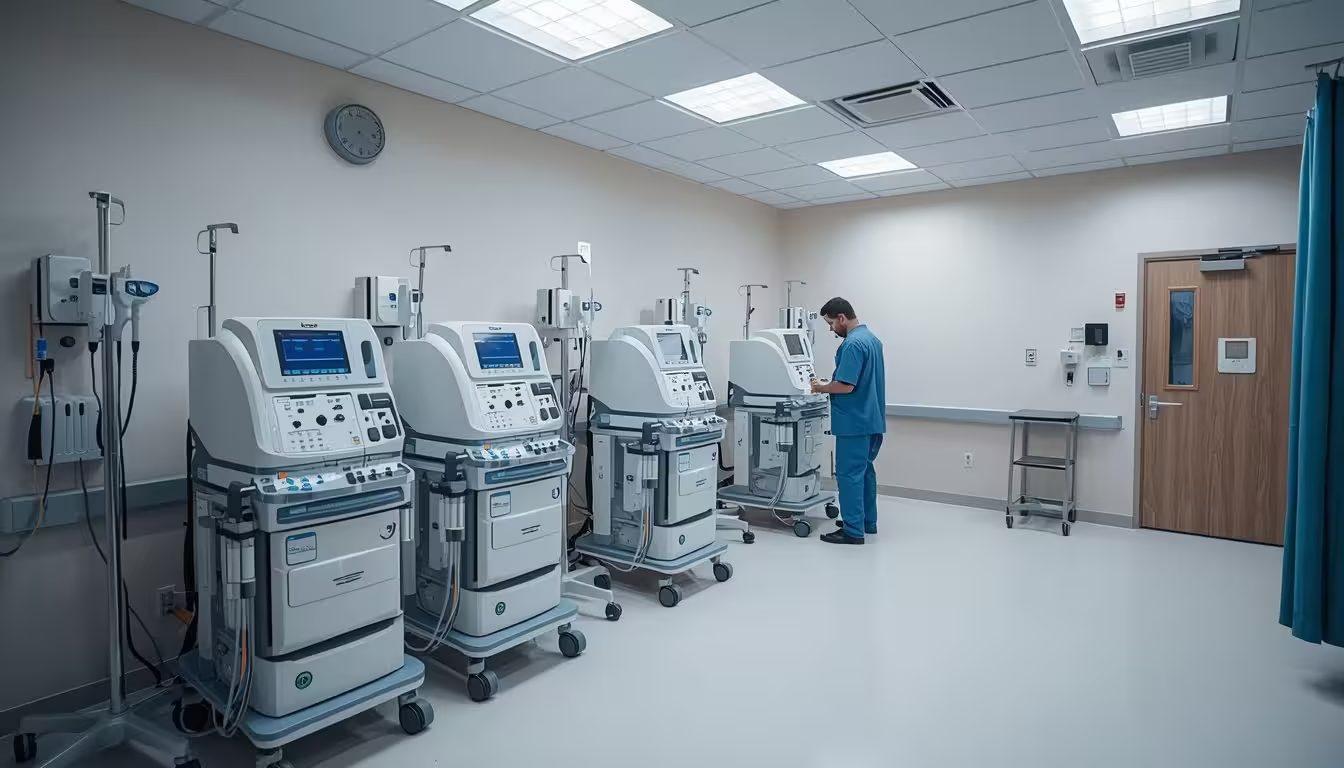
Dialysis unit environment used for renal dialysis technology training

B.Sc Renal Dialysis Technology

Prepares students to operate dialysis equipment and assist in kidney care procedures. Suitable for working in dialysis units and nephrology departments.

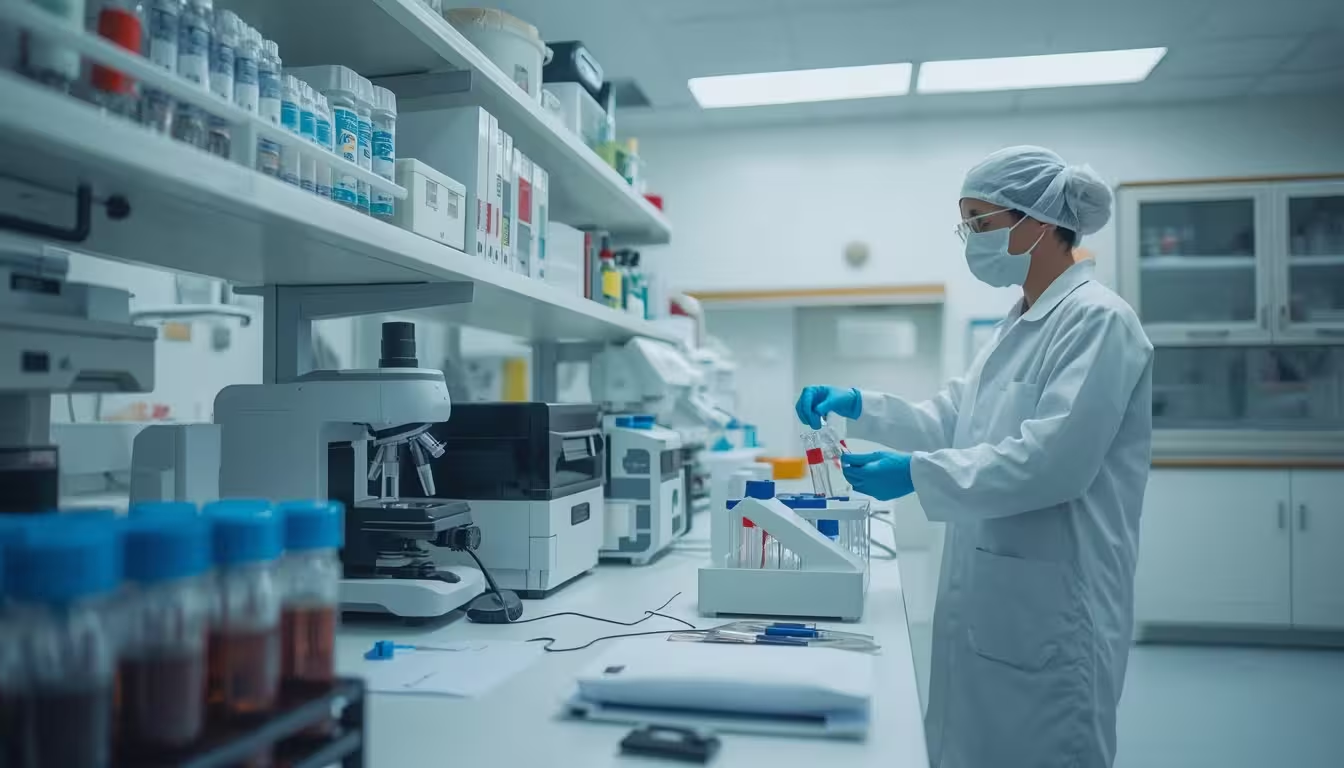
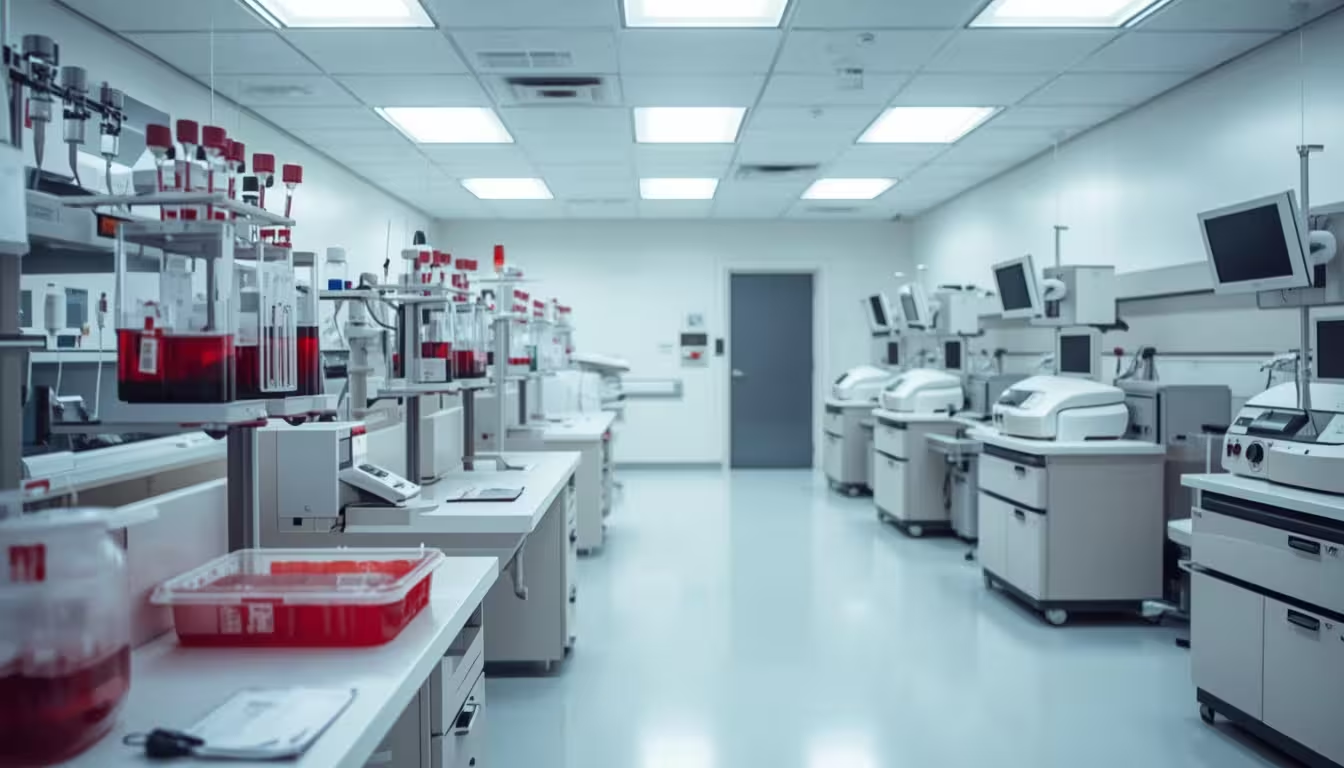
Clinical laboratory environment used for medical laboratory technology training

B.Sc / Diploma Medical Laboratory Technology (MLT)

Trains students in laboratory diagnostics, medical testing, and sample analysis. Plays a key role in supporting disease diagnosis and treatment planning.

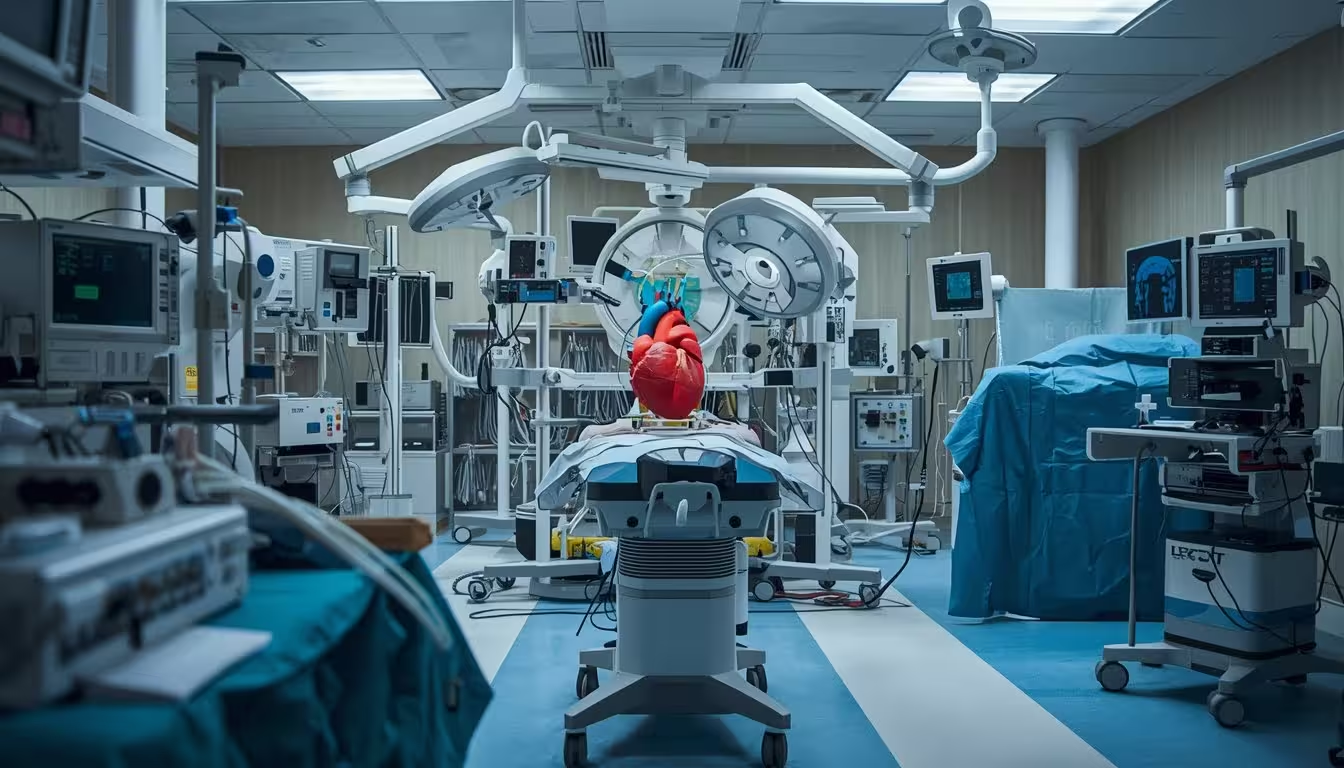
Heart-lung machine and operation theatre setup used in perfusion technology training

B.Sc Perfusion Technology

Focuses on operating heart-lung machines during cardiac surgeries. Suitable for students interested in advanced surgical support roles.

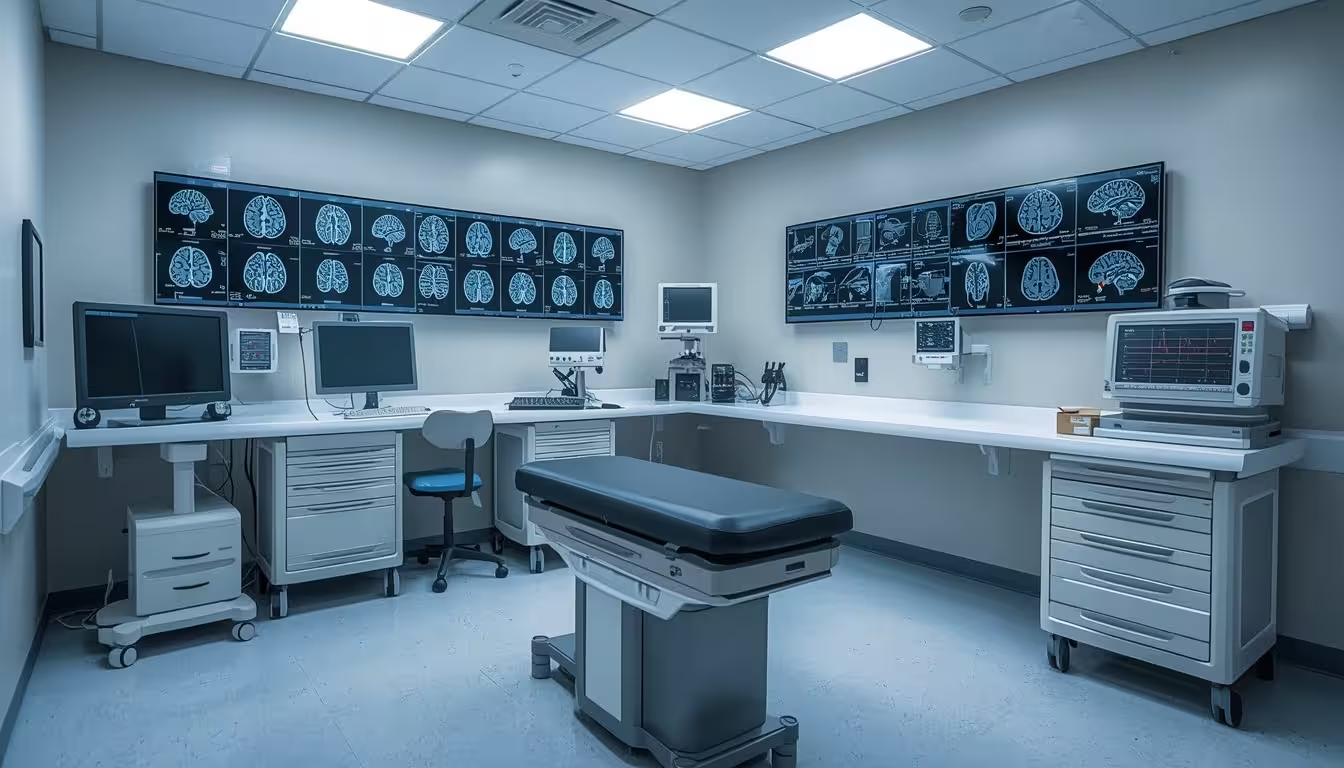
Neurology diagnostic environment used for neuroscience technology training

B.Sc Neuroscience Technology

Trains students in laboratory diagnostics, medical testing, and sample analysis. Plays a key role in supporting disease diagnosis and treatment planning.

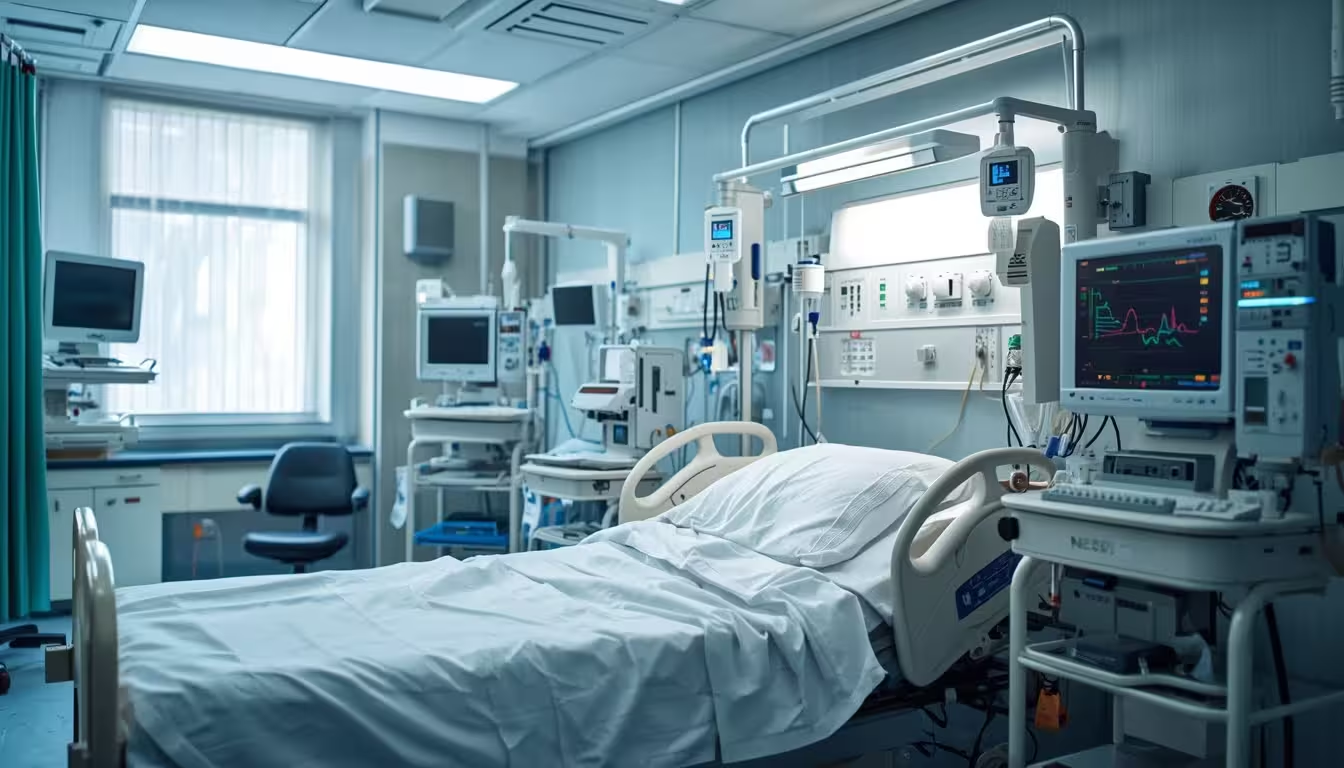
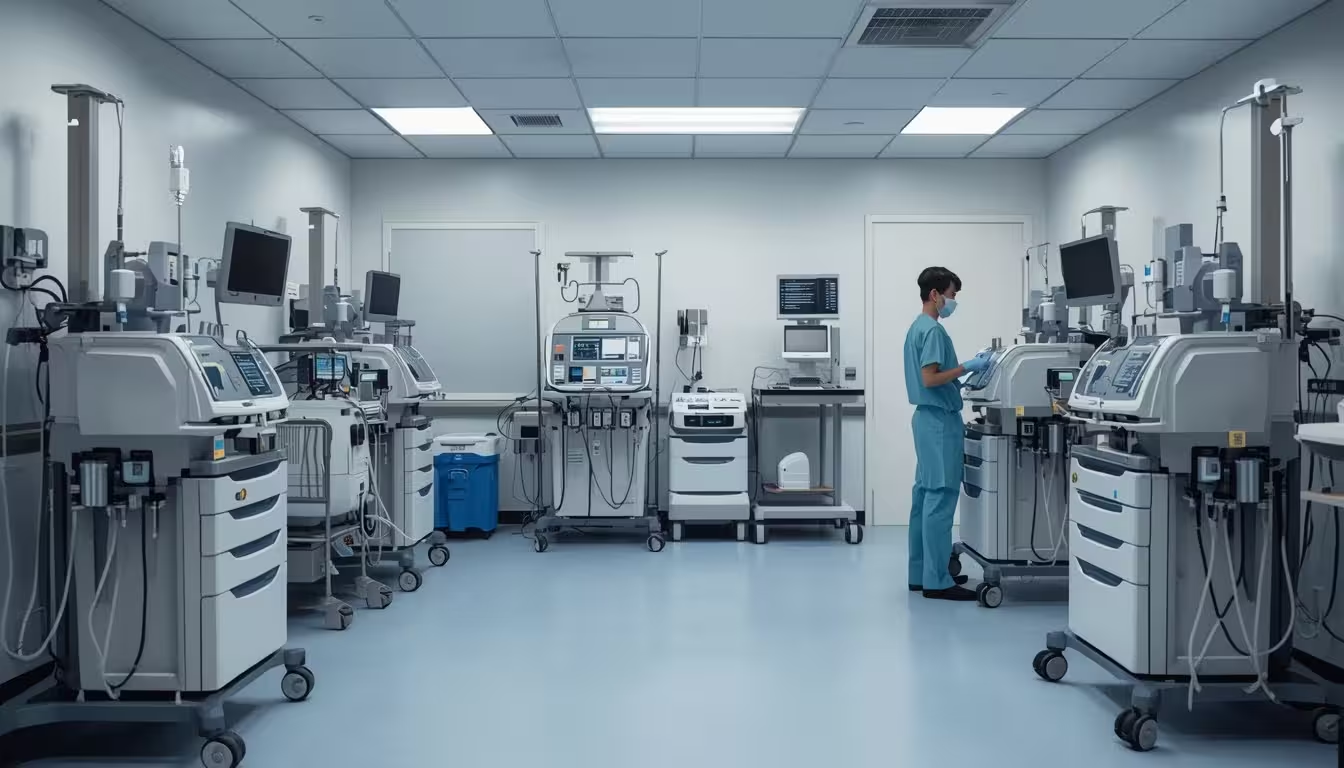
Respiratory care and ventilator management training environment in a hospital ICU

B.Sc Respiratory Care Technology

Covers respiratory therapy, ventilator management, and critical care support. Suitable for ICU and pulmonary care environments.

Cardiology unit environment used for cardiac care technology training

B.Sc Cardiac Care Technology

Focuses on cardiac diagnostics, patient monitoring, and cath lab assistance. Prepares students for roles in cardiology units and cardiac care centres.

Healthcare administration and hospital operations environment for hospital management studies

Bachelor in Hospital Management

Develops skills in healthcare administration, hospital operations, and medical facility management. Suitable for students interested in non-clinical healthcare roles.

Postgraduate Allied Health Courses (PG)

Postgraduate Allied Health programmes are designed for graduates seeking specialisation, advanced clinical roles, or academic progression.

PG programmes usually involve advanced clinical training, research exposure, and specialised skill development.

Detailed course structure, eligibility, and career pathways are explained on individual course pages.

Clinical laboratory environment used for advanced clinical biochemistry training

M.Sc Clinical Biochemistry

Advanced study of biochemical processes used in clinical diagnostics. Suitable for laboratory-based roles and academic progression.

Medical laboratory environment for microbiology and immunology studies

M.Sc Microbiology & Immunology

Focuses on microorganisms, infections, and immune responses. Prepares graduates for advanced laboratory and research-oriented roles.

Haematology and blood transfusion laboratory environment in a hospital setting

M.Sc Haematology & Blood Transfusion

Covers blood disorders, transfusion practices, and hematology diagnostics. Suitable for specialised laboratory and clinical support roles.

Radiology department environment used for postgraduate medical imaging technology training

M.Sc Medical Imaging Technology

Provides advanced training in radiology modalities including MRI, CT, ultrasound, and nuclear imaging. Designed for specialisation in diagnostic imaging.

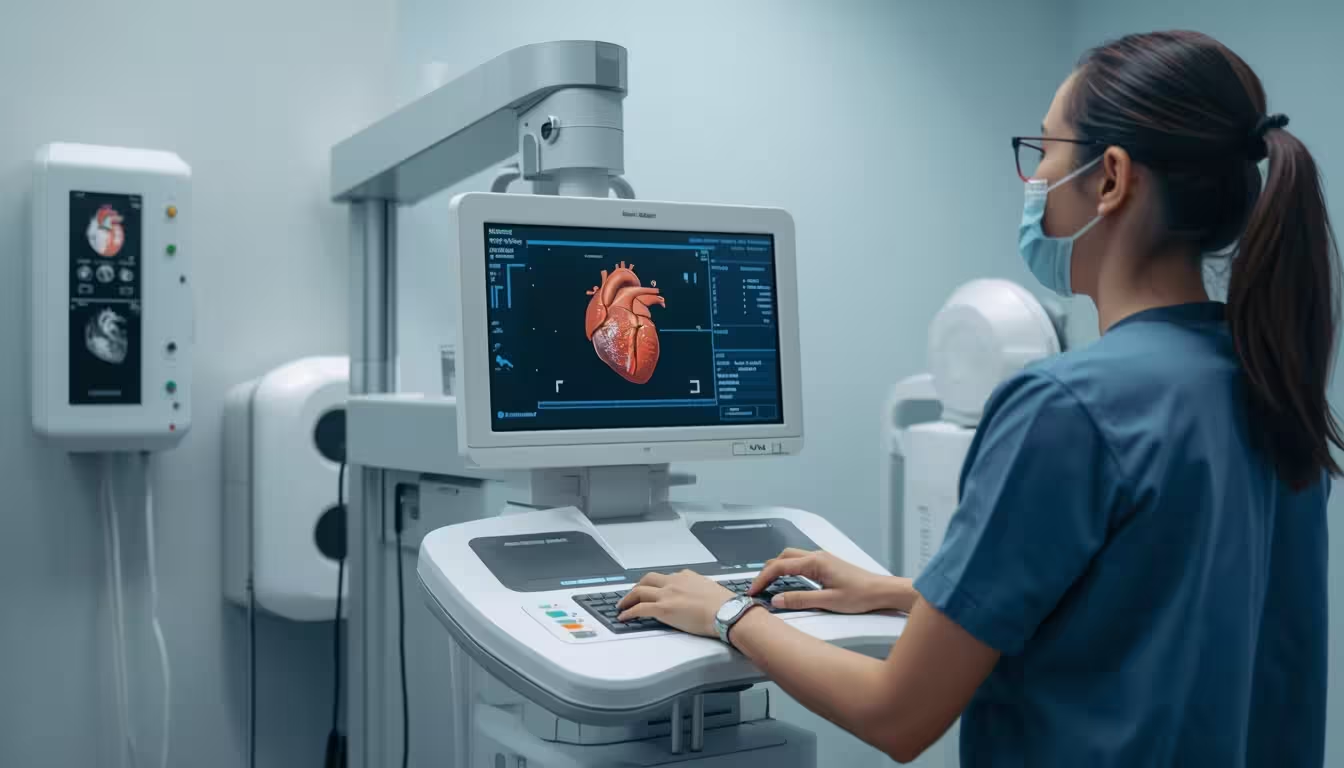
Cardiology diagnostic environment used for echocardiography training

M.Sc Echocardiography

Focuses on advanced cardiac imaging and heart function assessment. Suitable for specialised roles in cardiology departments.

Heart-lung machine and operation theatre setup used for perfusion technology training

M.Sc Perfusion Technology

Advanced training in extracorporeal circulation and cardiac perfusion techniques. Prepares graduates for senior surgical support roles.

Nephrology and dialysis unit environment used for postgraduate renal dialysis technology training

M.Sc Renal Dialysis Technology

Covers advanced dialysis care and nephrology support systems. Suitable for specialised roles in kidney care units.

Eligibility Criteria (UG & PG)

UG Courses (Allied Health / Paramedical – B.Sc & Diploma)

  • 10+2 / PUC with Physics, Chemistry, Biology

  • English required by many institutions

  • Minimum aggregate marks generally range between 45%–60%

  • Minimum age: 17 years as on 31st December of the admission year

  • Biology is mandatory for most courses

  • NEET is not required for Allied Health courses

Eligibility criteria may vary by institution and university.

PG Courses (M.Sc Allied Health / Paramedical)

Bachelor’s degree in a relevant Allied Health or Life Science discipline, such as:

  • B.Sc MLT
  • B.Sc Medical Imaging Technology
  • B.Sc Perfusion Technology
  • B.Sc Cardiac Care Technology
  • B.Sc Renal Dialysis Technology
  • B.Sc Respiratory Care Technology
  • B.Sc Neuroscience Technology
  • B.Sc OT & Anaesthesia Technology
  • B.Sc Biotechnology / Microbiology / Biochemistry (for select courses)


  • Minimum aggregate usually 50% or above

  • Some institutions may require bridge courses for unrelated backgrounds

  • Entrance exams are generally not required for most private institutions

Career Opportunities

Allied Health graduates commonly work in:

  • Multi-speciality and superspeciality hospitals

  • Diagnostic and imaging centres

  • Operation theatres and ICUs

  • Emergency and trauma care units

  • Research and laboratory settings

  • Speciality clinics (cardiology, neurology, nephrology, oncology)

Career outcomes vary based on specialisation, experience, location, and institutional training.

Salary & Growth

Compensation in Allied Health roles depends on:

  • Course and specialisation

  • Type of hospital or organisation

  • City and region

  • Experience and skill level

Entry-level roles typically offer modest starting pay, with growth over time through experience, advanced training, and specialisation.

Please Note: Indicative salary ranges are discussed transparently during counselling or shared in course-specific documents.

Take the Next Step

CBC provides student-first career guidance by:

  • Helping students identify suitable Allied Health specialisations

  • Explaining eligibility, scope, and long-term career paths clearly

  • Shortlisting colleges based on location, exposure, infrastructure, and overall cost

  • Supporting documentation and admission processes

  • Offering honest, transparent guidance without pressure

CBC works with a network of accredited institutions. College recommendations are made after counselling, based on individual student preferences and eligibility.

Why Choose Career Build Consultancy (CBC) for Allied Health Guidance?

If you are considering a career in Allied Health Sciences, speak with a CBC career expert to understand which course aligns best with your interests, aptitude, and long-term goals.

handpicked institutions

Latest Listings

Explore our handpicked top colleges in India, carefully selected to help you choose the best educational path with confidence.

Ready for a career in Allied Health Sciences? Get free expert guidance today.